

Risk identification
Turning risk signals into leadership action

Most organisations are not short of risk information. Grievance channels, audit findings, supplier records, worker feedback, and field reports all generate signals about where things may be going wrong. The problem is rarely a lack of data - it is that the data does not reach leadership in a form that supports a decision.
By the time risk information is consolidated for a leadership review, it has often passed through several teams, formats, and reporting cycles. What started as a specific signal - a grievance, a flagged audit finding, a pattern in worker feedback - can arrive as a generic line in a summary report, stripped of the detail needed to act on it.
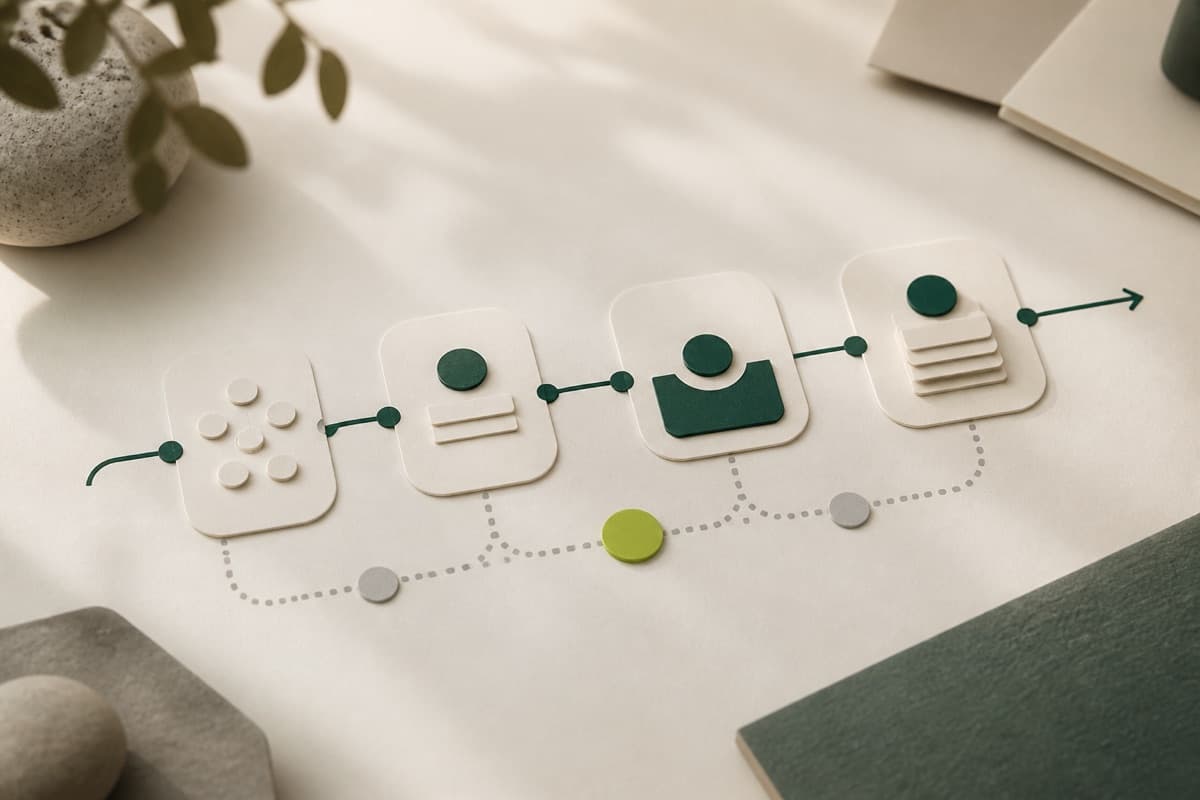
Why scattered signals do not reach leadership intact
Each function tends to manage its own risk information in its own way. Audit teams track findings against corrective action plans. Grievance mechanisms log cases against resolution timelines. Supplier teams hold compliance records. Field teams report observations that may never be formally logged at all.
Each of these is reasonable on its own terms. The difficulty is that they rarely share a common structure - the same categories, severity scale, or update rhythm - which makes it hard to bring them together into a single view without losing detail or comparability along the way.
What a connected risk view looks like
A connected view does not mean a single new system that replaces everything else. It means agreeing a consistent way of categorising and rating risk across sources, so that a grievance, an audit finding, and a field observation about the same issue can be recognised as related rather than reviewed in isolation.
It also means a regular rhythm for updating that view - so leadership is looking at where risk stands now, not a snapshot from the last audit cycle - and a level of detail that preserves enough of the original signal to be useful, rather than a summary so general it could apply to almost anything.
From visibility to action
Visibility on its own does not close the loop. A risk view only changes outcomes if it is clear who is responsible for responding to what, and if that response is tracked through to completion rather than ending once it has been reported.
This is where many otherwise well-built dashboards fall short - they show leadership where risk sits, but not what happens next, or whether what happened made a difference. Without that link, a connected view becomes another report to read rather than a tool leadership can use to direct attention.
Building this without new systems
As with most due diligence gaps, the fix is rarely a new platform. It is a structure that sits across the systems already in use - mapping where risk information already exists, agreeing how it will be categorised consistently, and defining how it flows into a view leadership can review on a predictable schedule.
This is the kind of connective work Strategine does directly - helping organisations turn the risk information they already collect into a structure that supports earlier, better-informed decisions, without asking teams to change how they work day to day.
More insights
Related reading
Next step
Ready to close the gap between policy and practice?
We help organisations turn due diligence commitments into a working system, using the evidence they already have.